Why strength training matters
… and 7 tips to start!

When someone mentions ‘strength training’, what do you think about?

Chances are you’ll picture being down at the gym lifting weights.

Or maybe it’s an elite athlete prepping for competition, or a group ex class full of fitness fanatics that comes to mind?

The reality is: strength training can be one of the simplest and most flexible ways to improve your health – one that’s important for absolutely everyone.

In fact, recent research by the British Journal of Sports Medicine suggests just 90-120 minutes a week of simple strength training could help you live longer by lowering your risk of heart disease, stroke and neurological disease.

For children, strength training also helps develop muscle strength and build healthy bones, while in older adults it can delay the natural decline in muscle mass and bone density.

With all that in mind, whatever your age or fitness level, it’s worth taking strength training seriously. The good news is, adding strength training to your routine can be pretty easy with the right approach.

Here are seven simple tips to get you started on the right path…

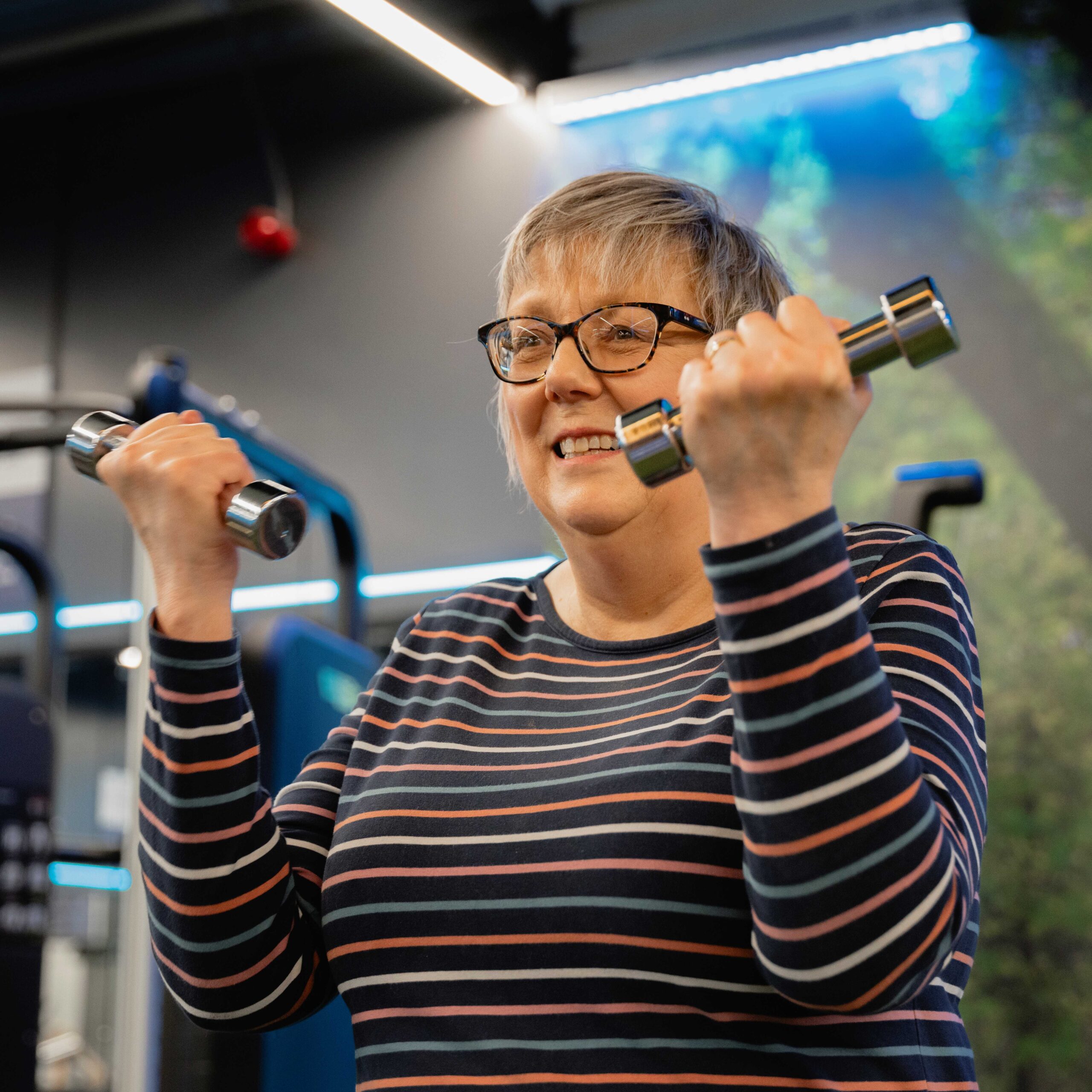
Older woman with dumbbells lifting light weights
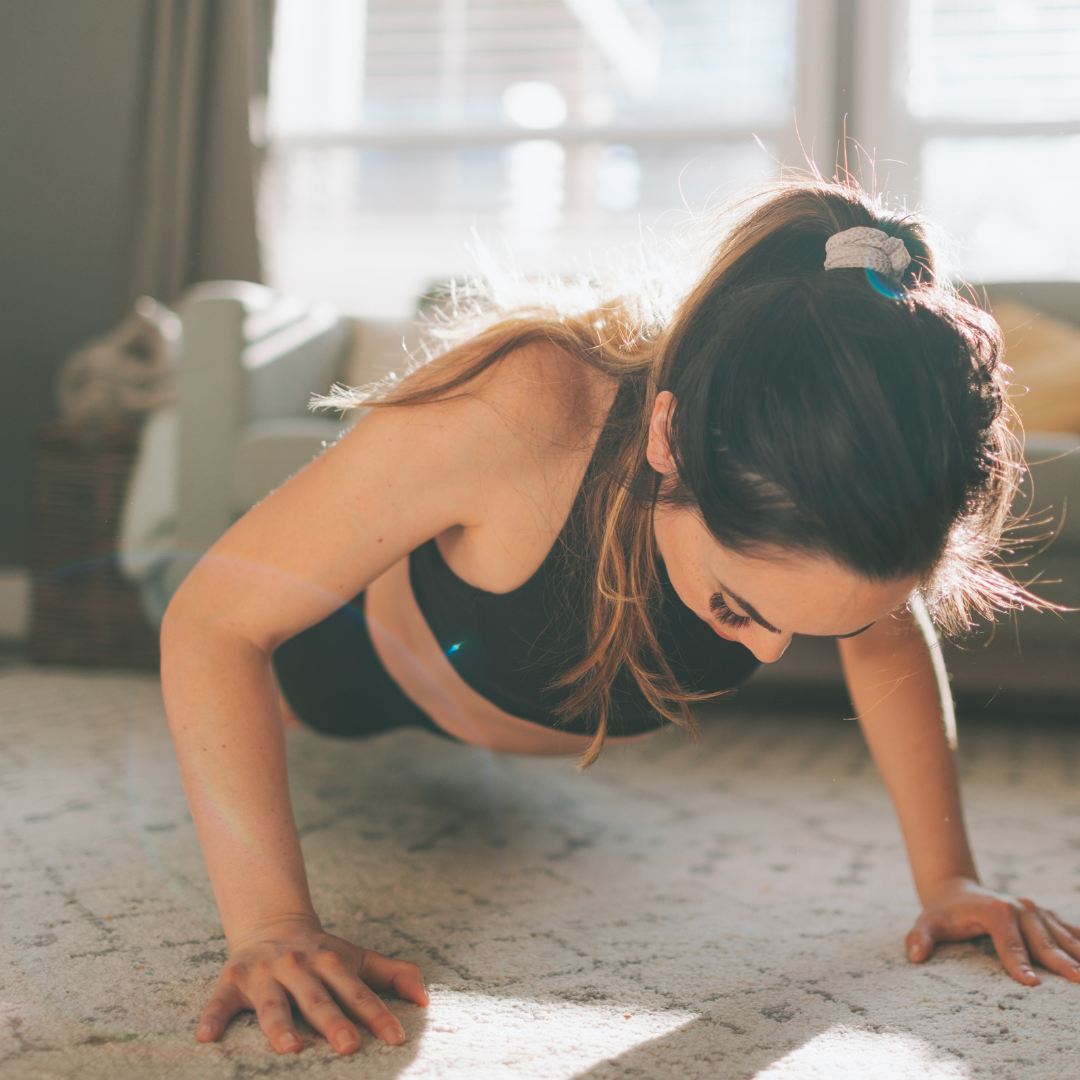
Woman doing a plank

Be your own weight!

First things first: you don’t need weights for strength training.

Strength training, also known as resistance training, is all about making your muscles work against an external resistance.

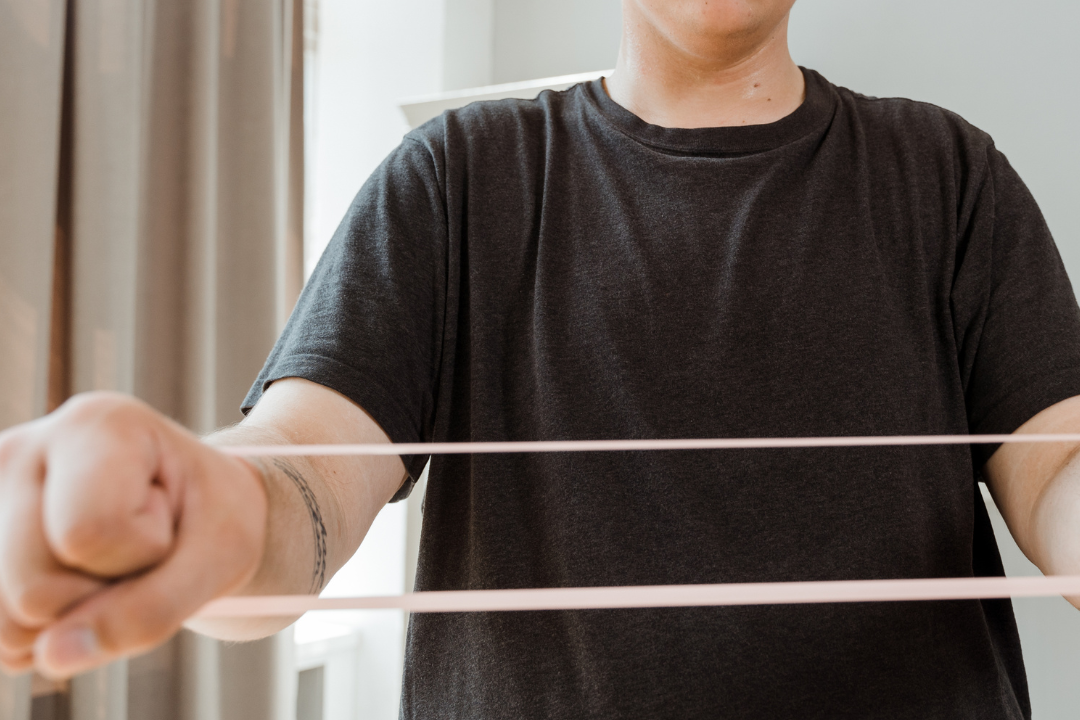
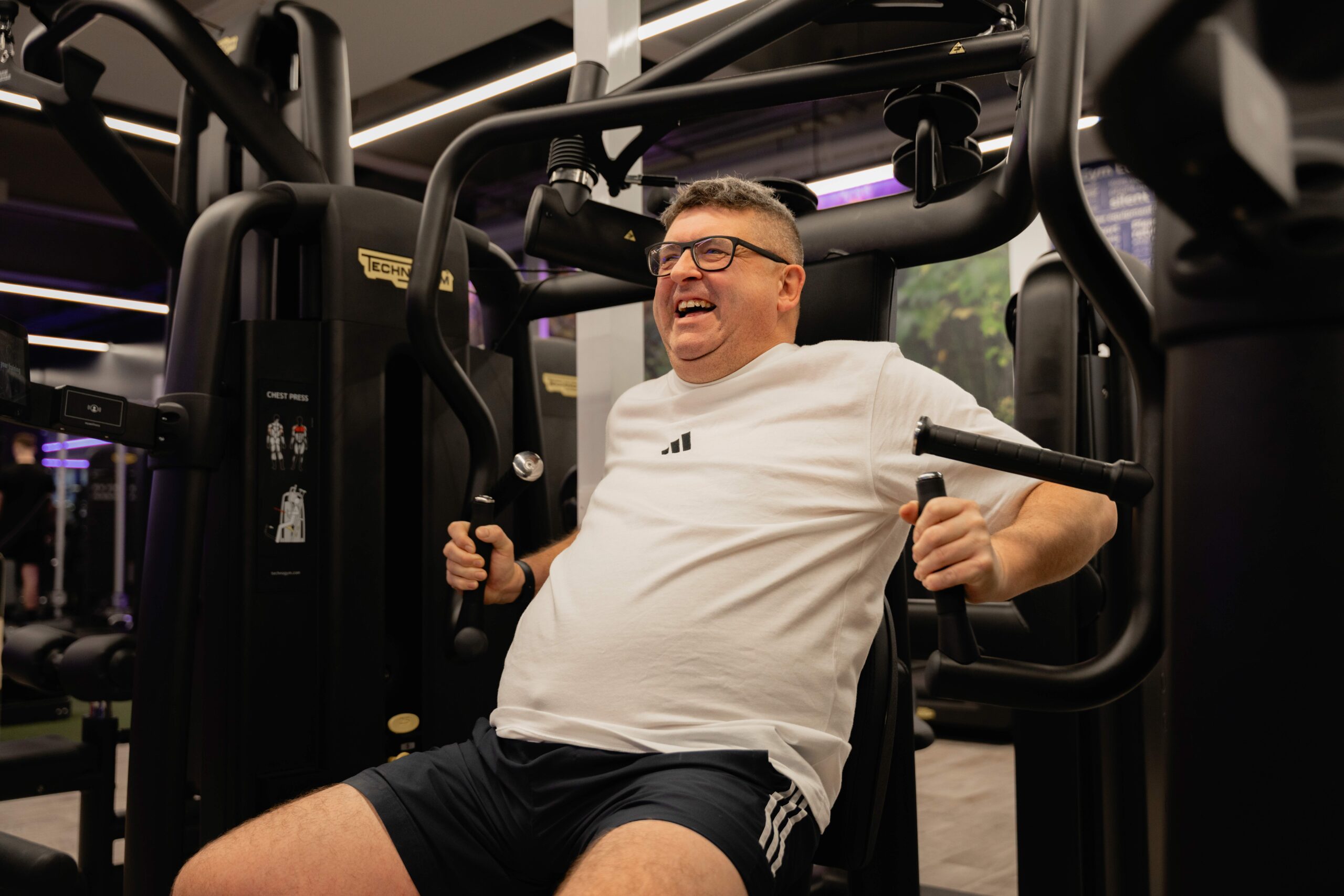
Yes, that can be free weights (e.g. dumbbells or kettle bells) or weights machines, but it can also be resistance bands or even your own body weight.

That means you can start your training straight away: no equipment needed!

Start small and simple

If you’re new to strength training, one of the biggest mistakes you can make is thinking you need to do loads straight away. You don’t.

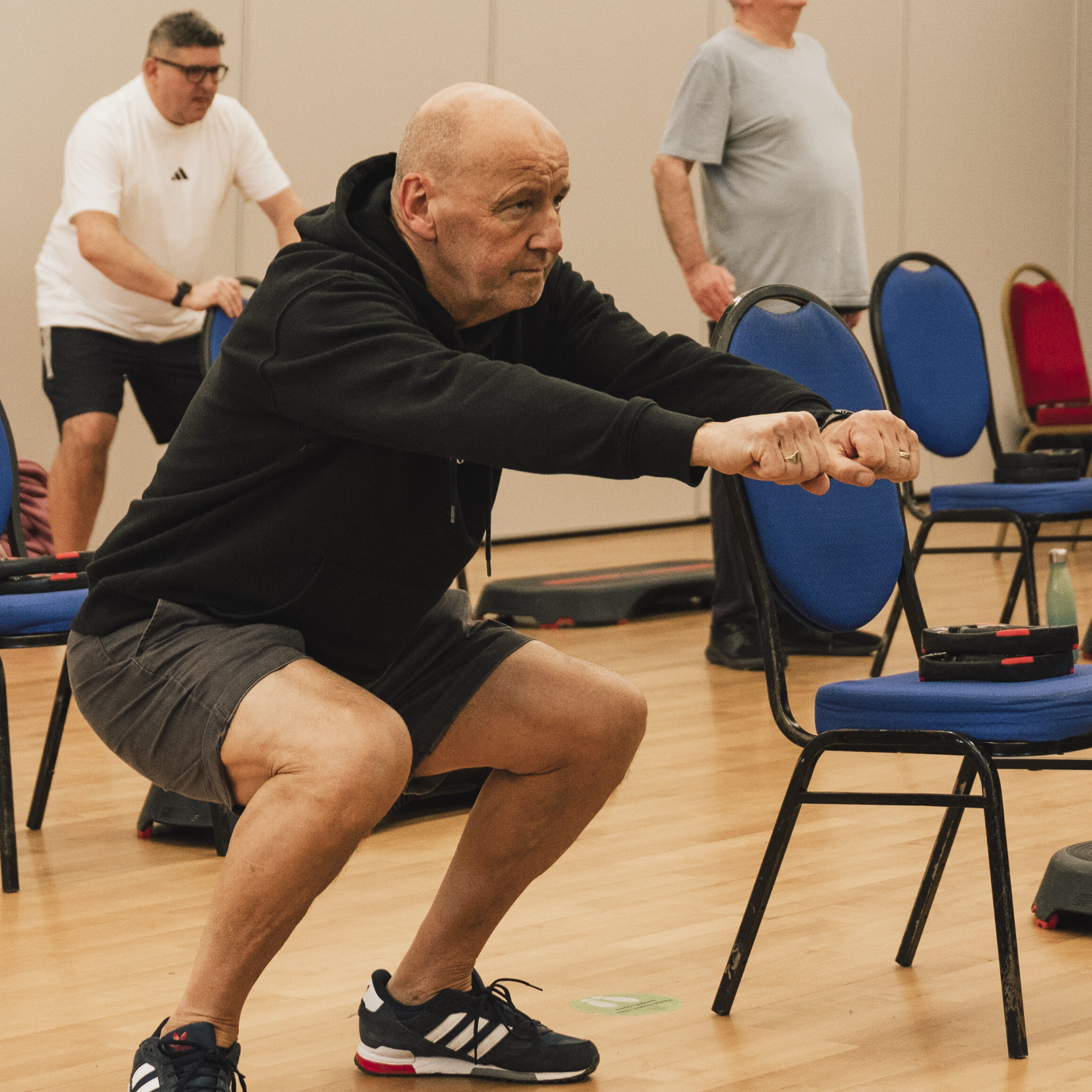
Begin with just 10–15 minutes a day. A few basic exercises like squats, push-ups or planks are enough to get you going.

The key is consistency, not intensity. A little bit, done regularly, builds your confidence and your strength over time.

Make it part of your daily routine

Most of us have gone through phases of focusing on our health and fitness, only to fall back into our old ways.

In most cases, the reason our positive changes don’t last is because they don’t fit with the reality of our lives.

A good way to guard against this is to sneakily slip some strength training into your morning routine.

Brushing your teeth? Do some squats and make those legs work! Boiling the kettle? Try some lunges while you wait!

Introduce strength training around things you know you’ll be doing anyway and you’re already on the right path to making it sustainable.

It might feel a bit odd at first, but these small moments add up – and before you know it, you’re moving more without having to carve out extra time.

Man doing a squat at a strength class
Woman holding tv remote watching tv

Turn downtime into active time

Sometimes you can’t beat an evening in front of the telly.

So if you’re hooked on the latest hot Netflix series, watching the footy, or tuning in for your dose of trashy reality TV, why not make it less of a guilty pleasure?

TV time can be the perfect opportunity for a mini strength session, from sit-ups on the rug to dumbbell lifts on the sofa.

It’s particularly good tactic if you’re the kind of person who gets bored by exercise. Lose yourself in some drama while you workout and your mind will barely register you’re doing it… but, importantly, your body still will.

And if you really are simply too engrossed to multi-task, you can always use those ad breaks or long rolling credits to get up and get moving.

Make use of everyday items

There are some exercises you do need other objects for.

A simple pack of resistance bands is a good idea and can be picked up pretty cheaply, but when it comes to weights you’ll find plenty of good alternatives around the house.

For example… you could use water bottles or canned goods as weights for arm exercises. Simply grab a tin of beans and start working on those gains!

A sturdy chair works well for triceps dips or step-ups (you could also use the stairs!), while a backpack filled with books adds extra resistance for squats.

Woman with a resistance band
Man using an arm bike at the gym

Keep challenging yourself

If you’ve been doing strength training for a while, it’s important to continually challenge yourself.

It’s called ‘progressive overload’ and it’s a fundamental principle of strength training that involves gradually increasing the demands you place on your body – whether it’s weight, volume or intensity, or some new exercises.

So once you’ve got into the habit, begin to add a few more reps to each exercise, hold that plank for a few more seconds, lift something a little heavier, or swap an easier exercise out for a slightly tougher one.

As well as building your strength up, a gentle challenge can help keep things interesting and give you a sense of progression and achievement, which is important when it comes to staying motivated.

Knowledge is power

While strength training is something you can do at home on your own, sometimes a little support can make a big difference.

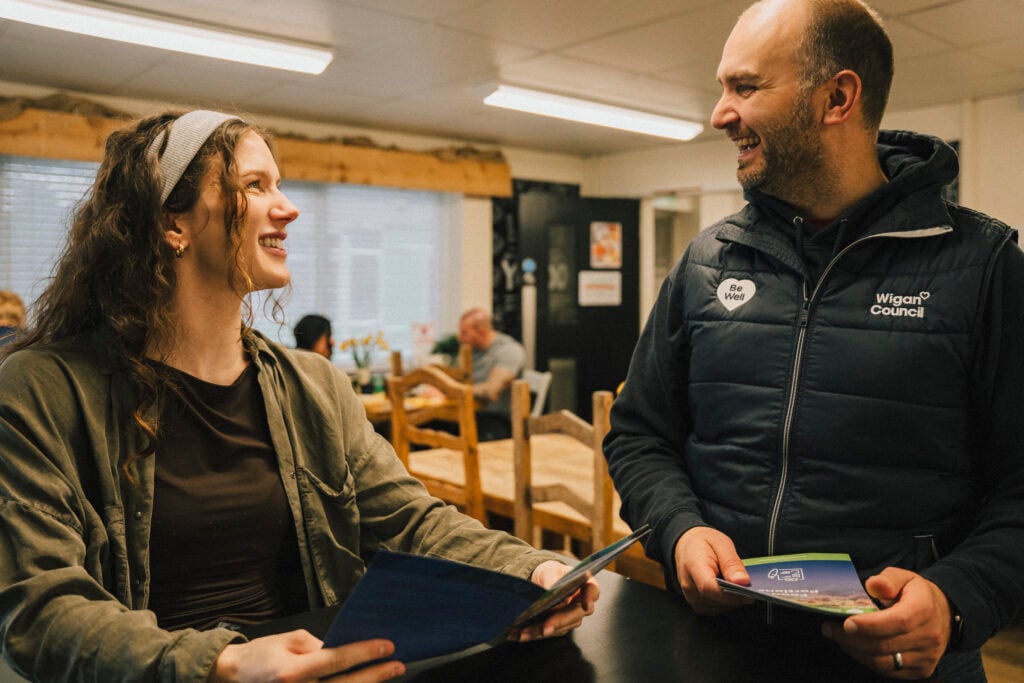
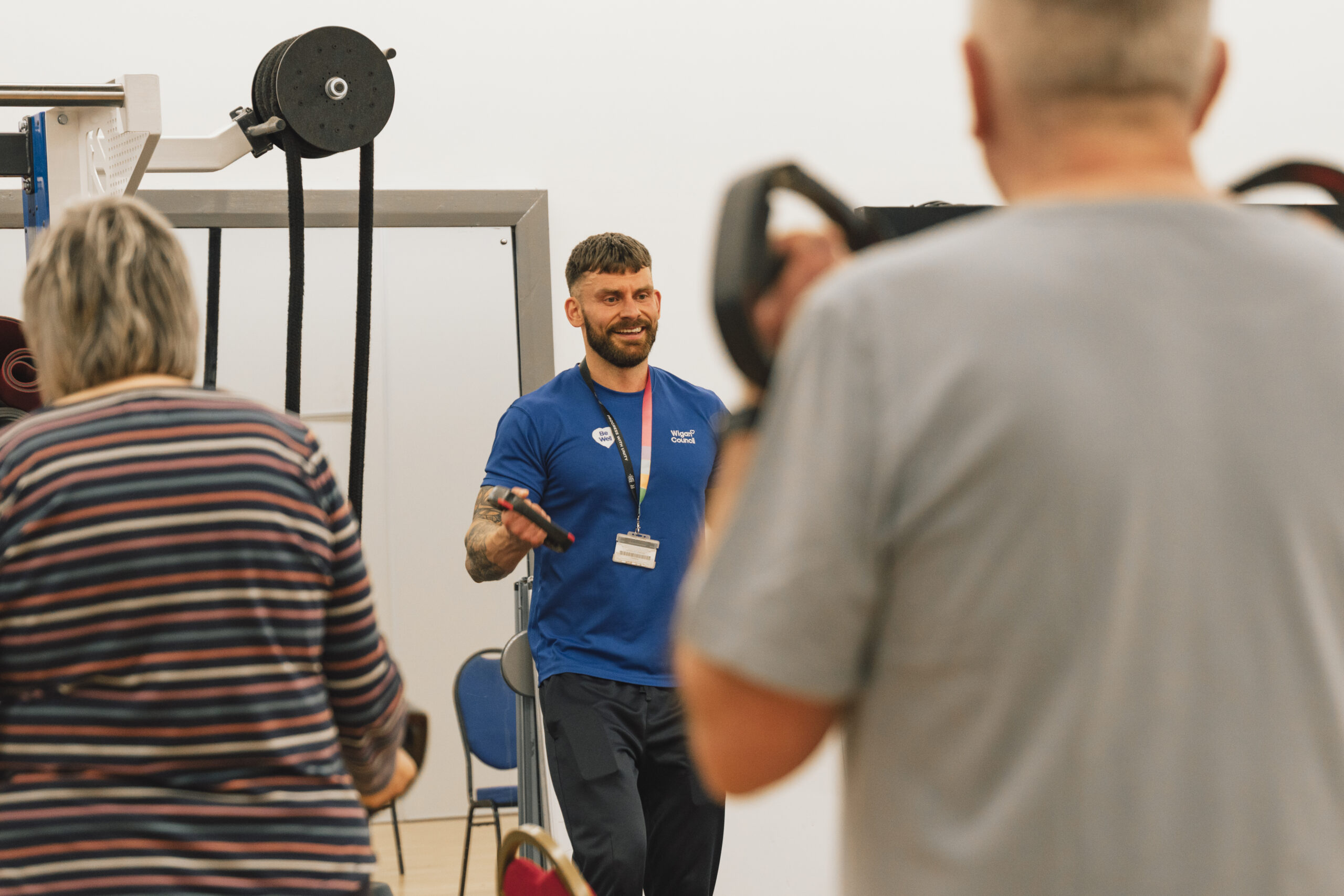
So, if you’re looking for a little bit of expert guidance, Be Well is here to help.

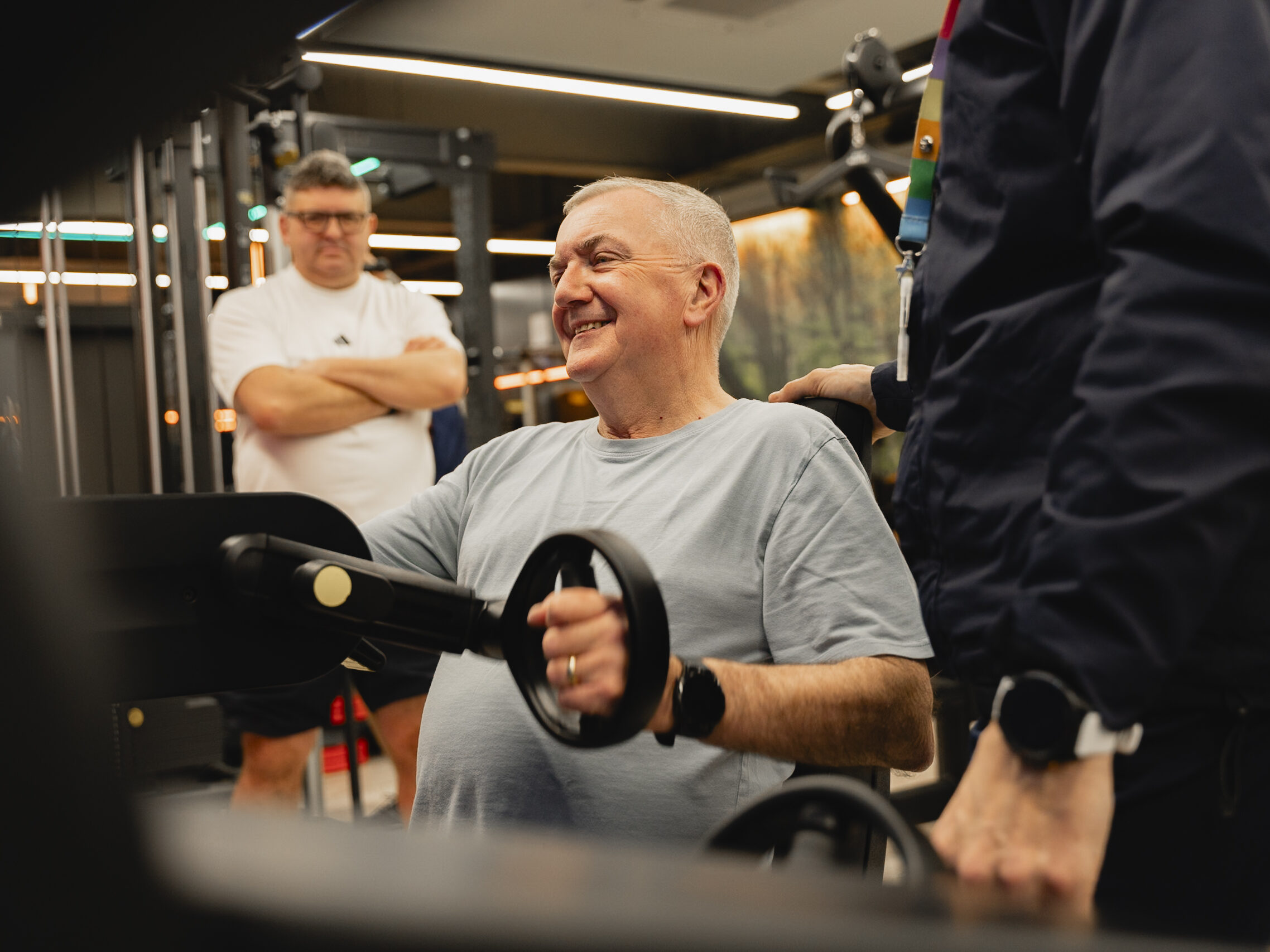
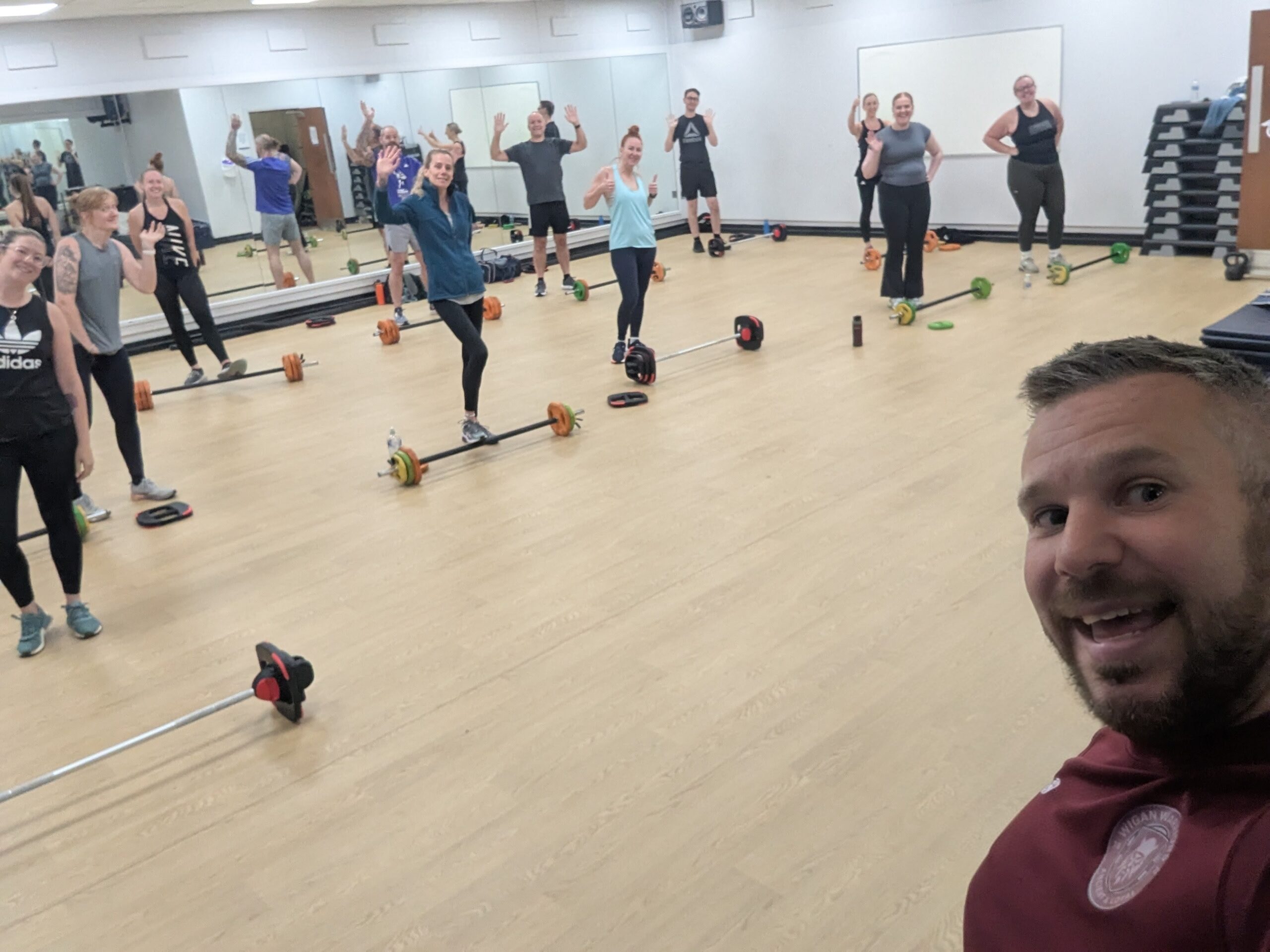
Not only do we have welcoming and inclusive gyms stacked with the latest fitness gear and a full range of group ex classes for different fitness levels, our friendly and knowledgeable coaches have lots of experience designing effective strength programmes to suit all kinds.

Our team has specialist knowledge on weight management, working with young people, and supporting physical activity with health conditions and disabilities.

You’ll also find a variety of classes designed specifically for people at different stages of life; from our NextGen range for ages 11-17, ‘Stronger with Age’ classes supporting women through menopause, and Strength and Balance sessions for older adults.

Meanwhile, our Technogym Checkup machines allow you to keep tabs on all sorts of important metrics like muscle and bone mass, grip strength, and even your wellness age so you can really get to know your body inside out and chart your progress as you keep getting stronger.

A Be Well instructor

Book a tour

We’re confident you’ll love our facilities, but if you’d like to know more about what you can expect at our leisure centres before you join you can book a tour around your leisure centre of choice at a time that’s convenient to you, or even get a free* 7-day leisure pass so you can try before you buy (*T&Cs apply).

a group of women playing basketball

Could you Be Well… For Less?

If you’re entitled to certain benefits such as Universal Credit, Housing Benefit, Pension Credit, Personal Independence Payment (PIP), Carer’s Allowance, or Disability Living Allowance, you could be eligible for a discount on Be Well memberships and activities.

With a Be Well For Less Pass, you can save 33% on pay-as-you-go activities, memberships and subscriptions (including Be Well Fitness, Fitness Flex, Junior Fitness, Student Fitness, Senior Swim, Learn to Swim, Gymnastics and Tennis).

Veterans, NHS and emergency services

Be Well offers free fitness memberships for serving members of our Armed Forces Community, valid up to 12 months after leaving active service.

We also offer reduced membership rates for all veterans, NHS staff and emergency services. Please get in touch with our team to find out more.

Get all the latest from
Be Well

Follow us on social media for all the latest health and wellbeing articles, news and events.

Follow Us Facebook instagram
book-icon
digital access control
availability
personalization
apple-apply-store
app-google-play