Why your diet is failing
and 6 tips to get back on track

If your diet’s not working out, you need to know one thing: it’s not about you.

And that, you see, is the problem. Let us explain…

The perfect diet is a myth. That’s not to say diets don’t ‘work’, at least in the short-term. They do – for a very simple reason.

Many diet plans claim to have found the magic silver bullet for weight loss and healthier living, but they all follow the same fundamental scientific premise: consume fewer calories than you use and you will lose weight.

Whatever the theme of the diet, whether it’s cutting carbs, eating more plants, or increasing protein, they all ‘work’ (i.e. help you lose weight) because they reduce your calorie intake.

The bad news is they all fail for the exact same reason; because they’re made for weight loss, not for you and your life.

So, you may lose weight like you wanted to, but what happens after that? If your diet doesn’t fit with your lifestyle, you’re likely going to put that weight back on.

Many diet plans also demand a heavy training schedule, and that’s not always sustainable or realistic. Whether it’s work, family or whatever, life gets in the way.

Yes, when diets fail, it’s usually not because they are ‘not working’, but because we get to a point where life kicks in again and we fall back into our old ways.

How do you avoid this vicious cycle, then? The key is to shift from thinking about a diet (i.e. a weight loss plan) to thinking about your diet (i.e. what you eat and drink).

It’s not about cutting things out or restriction, but finding a healthy balance that works for you.

So if your diet is failing, or you’re just starting out, here are 6 top tips to keep you on track…

Don’t try to do it all at once… pick one thing to focus on

One reason diets fail is because they’re too ambitious and we try to aim for perfection from the off.

So instead of trying to ‘fix’ everything all at once, choose one thing to focus on and then build from there.

For instance, if your usual diet is high in meat and dairy then make your first goal to add in more plants.

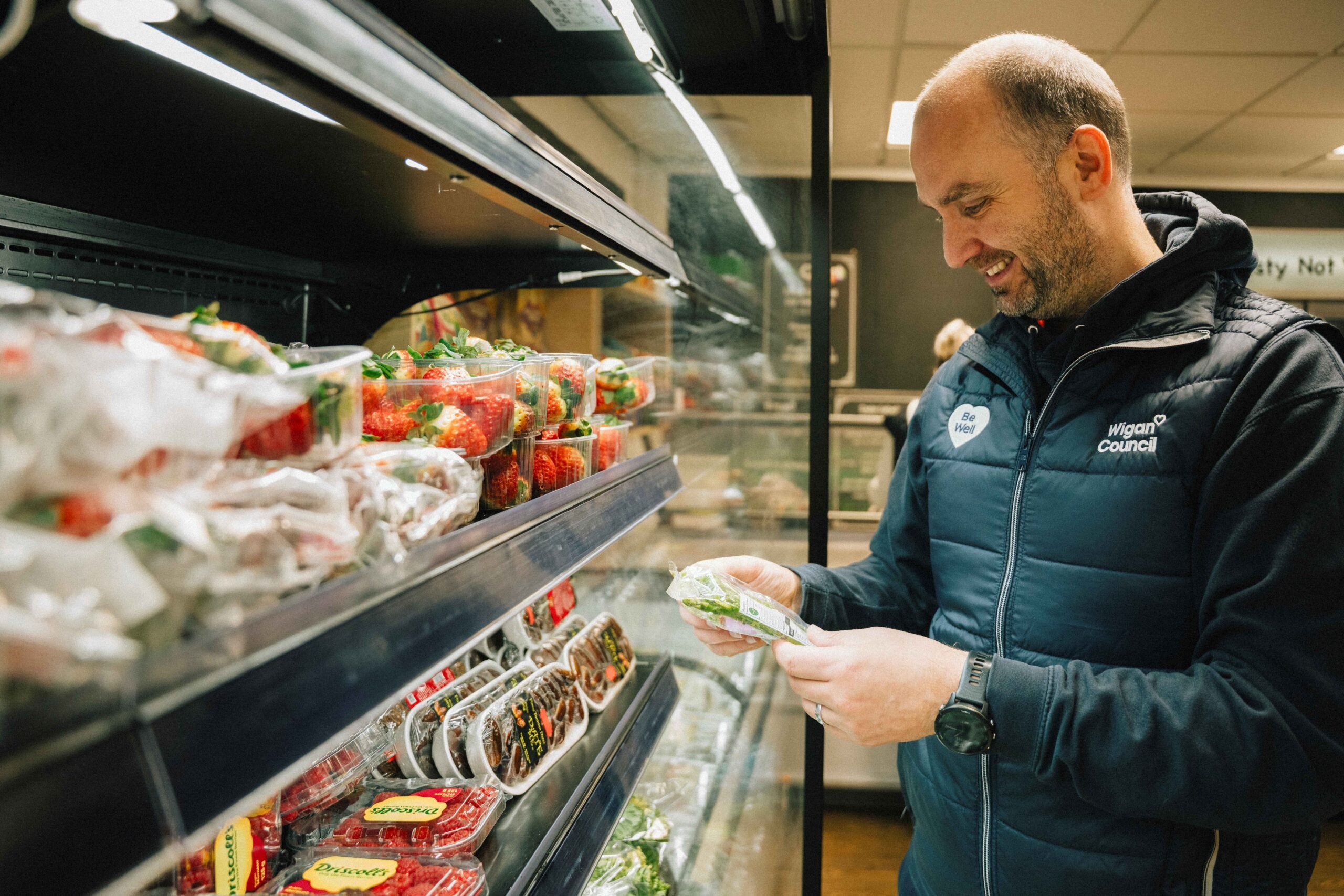
Or, if you find you eat a lot of processed foods and ready meals, start to choose more natural, unprocessed ones and try to find time to cook.

Focus on that one goal for, say, a month, and once it’s become part of your routine then you can start to think about turning your attention to something else.

Rome wasn’t build in a day, so why should your diet be? By gradually putting the building blocks of a healthy diet in place one by one, things will feel more natural and sustainable.

Think long term

When we make changes to our diet, we tend to want instant results – and that’s totally understandable. After all, we want proof that what we’re doing is working and all the effort we’re putting in is worth it.

Weight loss is the most obvious way we can measure success, and while what’s going on inside our bodies is actually more important, you can’t really see the progress on the scale or in the mirror. Hence our obsession.

There’s a lot of stigma attached to weight, and for that reason it’s many people’s ultimate goal. But it’s much healthier, and ultimately more sustainable, to measure success by other means.

For instance, do you have more energy? Can you walk that little bit further without feeling out of breath? Can you take the stairs instead of the lift now? Does your gut feel happier and healthier? Does that piece of clothing fit a little better than it did before?

Weight can fluctuate, but these other factors are signs you’re headed in the right direction. And the good news is, if the answer to those questions is ‘yes’, then more likely than not you will be losing weight anyway.

open quote

Counting calories can become an addictive obsession – and, in many cases, contribute to poor mental health.

Close Quote

Avoid calorie counting

As we’ve already explained, the way to lose weight is to burn more calories than you consume.

Naturally, then, many people like to keep a count of their calories each day so they know they’re on track.

But, just like weighing ourselves, counting calories can become an addictive obsession – and, in many cases, contribute to poor mental health.

We can feel down if we miss our target, or deny ourselves a treat because it’ll take us over our calorie ‘budget’.

But if you’re at a party and you’re going to stop yourself having that slice of cake because it takes you over your limit, then what’s the point? Life is to be enjoyed, after all.

A better idea than daily calorie counting is to ‘test the waters’ every now and then, to check how you measure up.

Start by counting your calories for a week and see what sort of numbers you’re averaging on a typical day (around 2,000kcal for women and 2,500kcal for men is the recommended amount).

From there, work out if you need to eat more or less than you have been doing – and then stop counting for the rest of the month while trying to do that.

The next month, count your calories again for a week to check in on yourself. Don’t make a special effort that week either. Instead, be honest with yourself. How many calories are you typically consuming when you’re not constantly counting?

It’s a good way of staying on track without letting calorie counting take over your life.

Trust the (lack of) process

The closer a food is to its original state, the fewer nutrients will have been removed by processing

So, if you pluck an apple from a tree, that’s as healthy to eat as that apple’s ever going to be. Start packaging and transporting it across the world, or blending it into ready meals, and it will begin to lose some of that nutritional value.

Basically, a food’s nutrient content lowers every time you do something to it – and that means losing many of those natural benefits for your body.

Now, it’d all be lovely if we had apple trees in our garden, but that’s not realistic, is it?

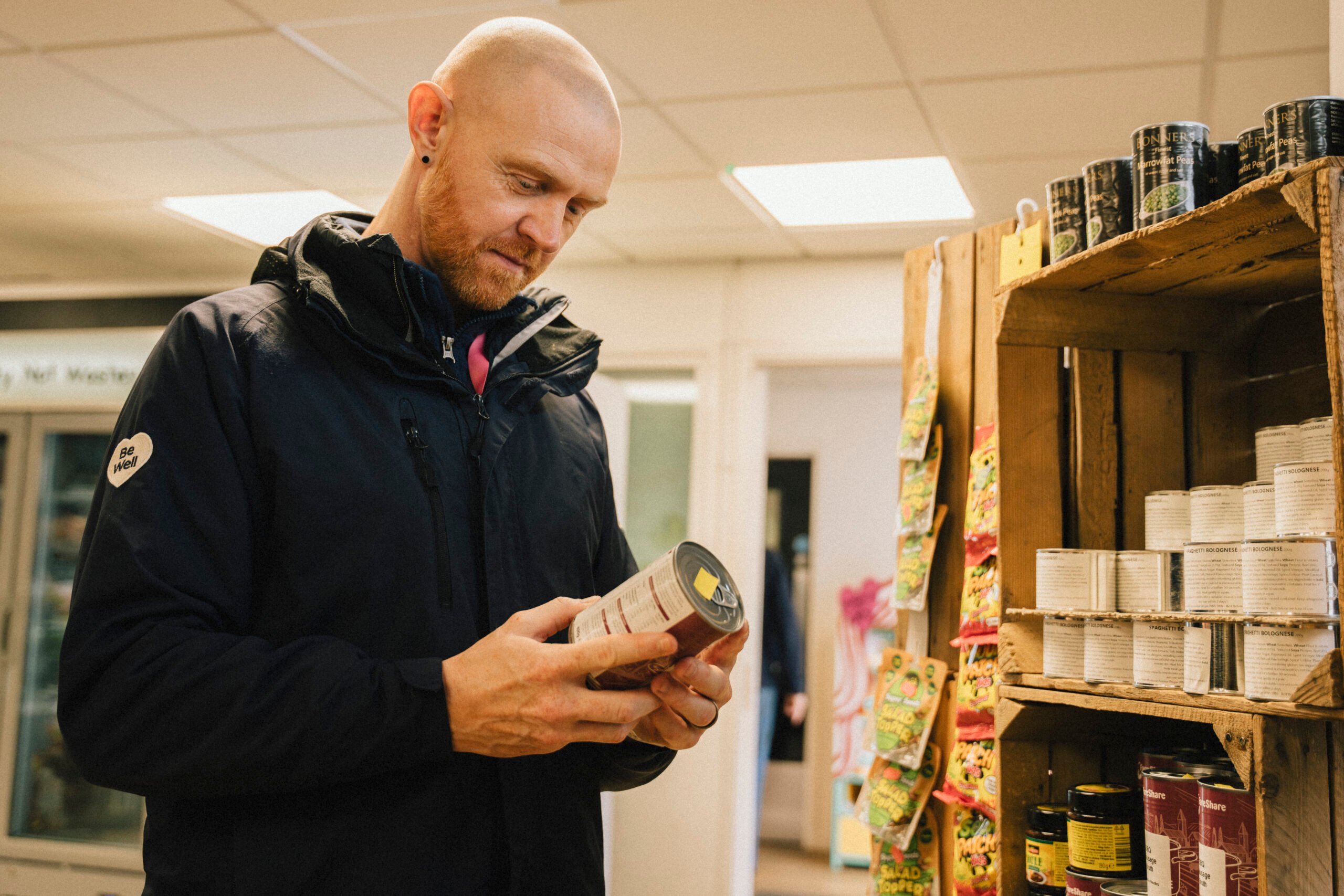
Processing is not to be avoided as such, it’s just to be considered. Like the difference between a bag of porridge oats (ingredients: oats) and a pot of ready oats (ingredients: oats plus preservatives and other stuff).

Finding food that’s as close to its natural state as you is one of the things that’ll make a positive difference that you don’t necessarily see on the outside.

Focus on fibre

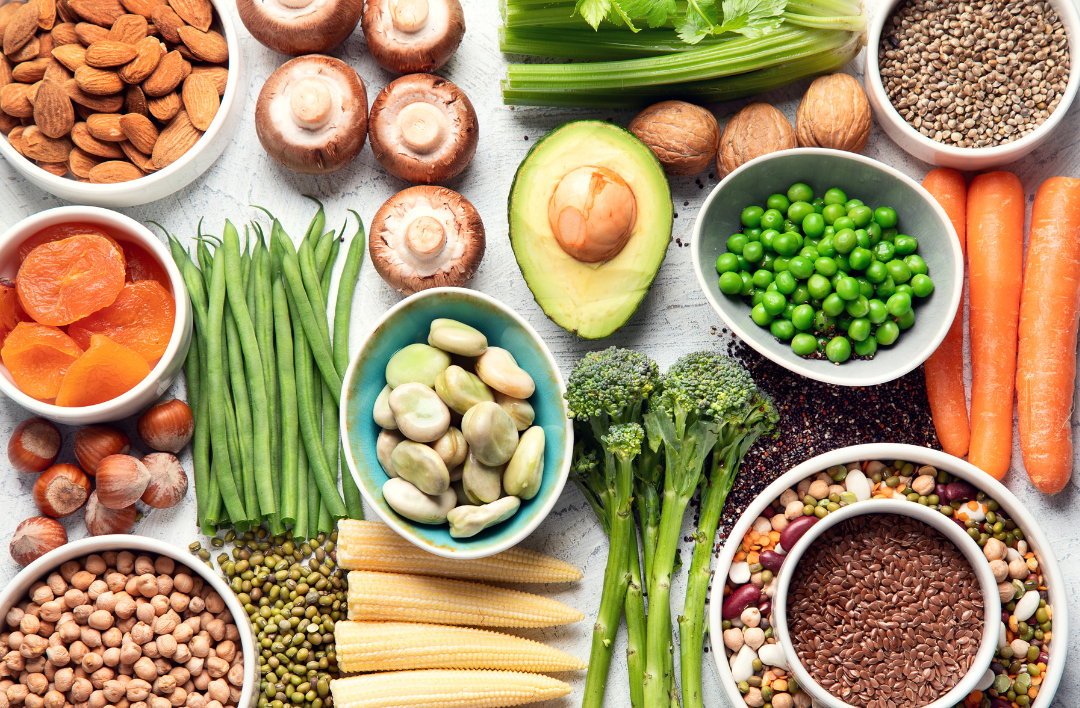
Very few people get the recommended 30g of fibre a day, but increasing your fibre intake through eating more plants brings many health benefits. Again, those benefits aren’t ones you can necessarily see – but you will be able to feel some of them.

Many people who’ve started eating more plants and getting more fibre say one of the biggest things they notice (aside from more regular trips to the loo!) is that they feel they have more energy.

That’s good news for everyday life, and also for exercise too (which will obviously burn calories and help you achieve your goals).

If you don’t want to fall into the trap of having to log everything you eat, a good guide is to count your ‘plant points’ i.e. how many different varieties of plants have you eaten in a week? The suggested amount is 30, and the more you manage the more fibre and nutrients you’ll get.

Remember: different coloured varieties of plants count as plant points in their own right (e.g. eating two green apples gets you ONE point, but eating a green apple and a red apple gets you TWO!)

Eat quality protein

The other nutrient to really think about is protein – but it’s less about the amount, and more about the quality.

Lots of foods are labelled ‘protein’ these days, to convince you they’re good for you. But the fact is, if you’re not vegan or vegetarian, you’re probably eating enough protein as it is.

More importantly, a good quality intake of protein helps with feeling full, and helps your body grow and repair – especially if you’re an active person.

Again, the more natural and unprocessed a protein source is, the better it is for you.

Red meat is higher in saturated fat, but eating quality, unprocessed red meat now and then is fine. Lean meat, like chicken and fish, is even better – but again, consider the processing it’s had.

And don’t sleep on beans… and not just if you’re vegan or veggie either. Use them to bulk out meals for another quality protein source that brings bonus fibre too.

Of course, the thing to remember in all of this is that it has to work for you.

Don’t like beans? Well, our advice about adding beans is stupid… because you’re not going to stick with it, are you? Likewise, if you’re on a tight budget then you’re hardly likely to be able to afford two portions of salmon a week.

Ultimately, you want a plan that you will find sustainable over the long-term – not just for a couple of months.

So be realistic, choose your battles, set yourself small targets, and work towards your healthier diet one step at a time. That way you’re far more likely to succeed.

And remember: setbacks will always happen. Something will come along and throw you off course now and then.

But making little changes to the point they become habits will add up to a greater whole and keep us on the right road.

Get all the latest from
Be Well

Follow us on social media for all the latest health and wellbeing articles, news and events.

Follow Us Facebook instagram
book-icon
digital access control
availability
personalization
apple-apply-store
app-google-play